
This book is available on kindle and paperback. But, You have the whole book here for free!
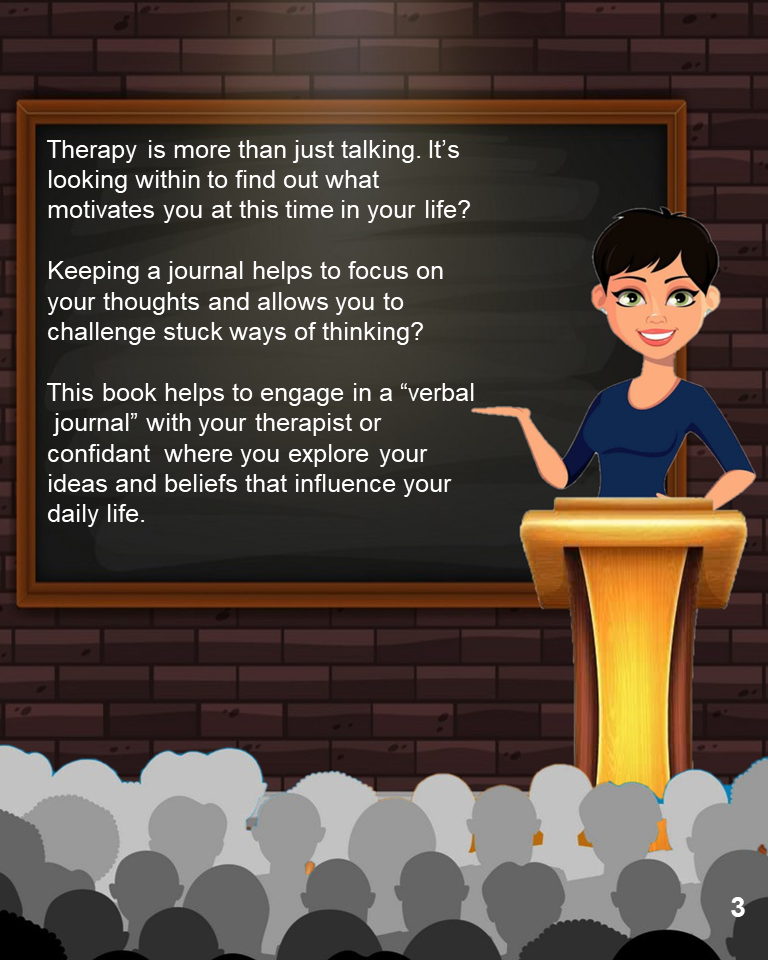
Why journal?
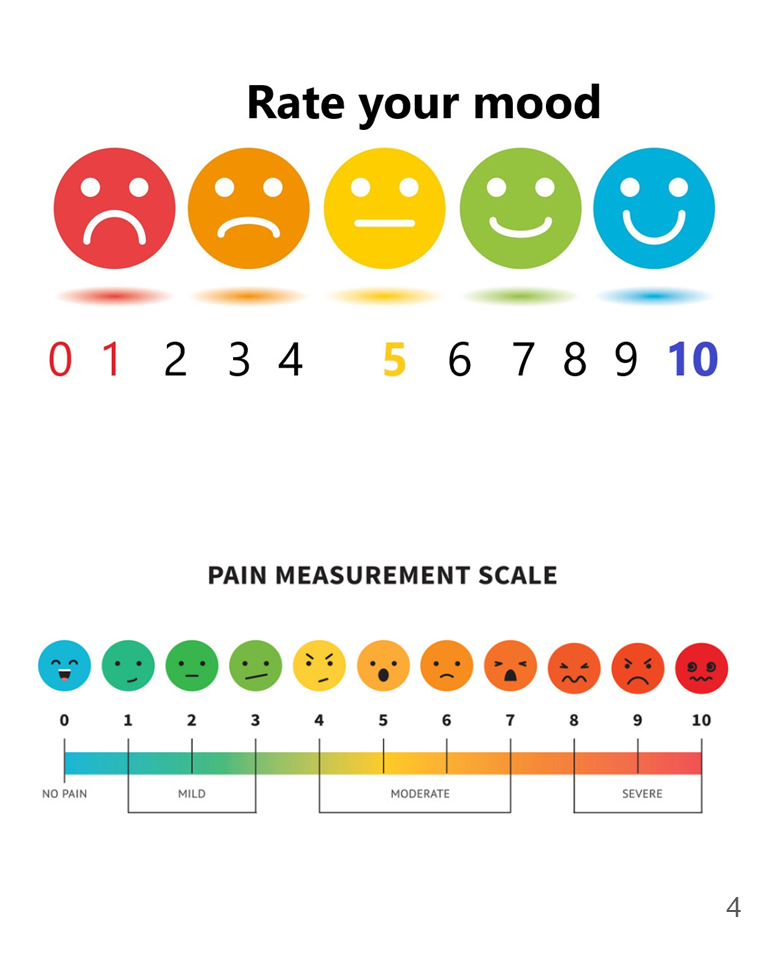
Focus. How do you truly feel.
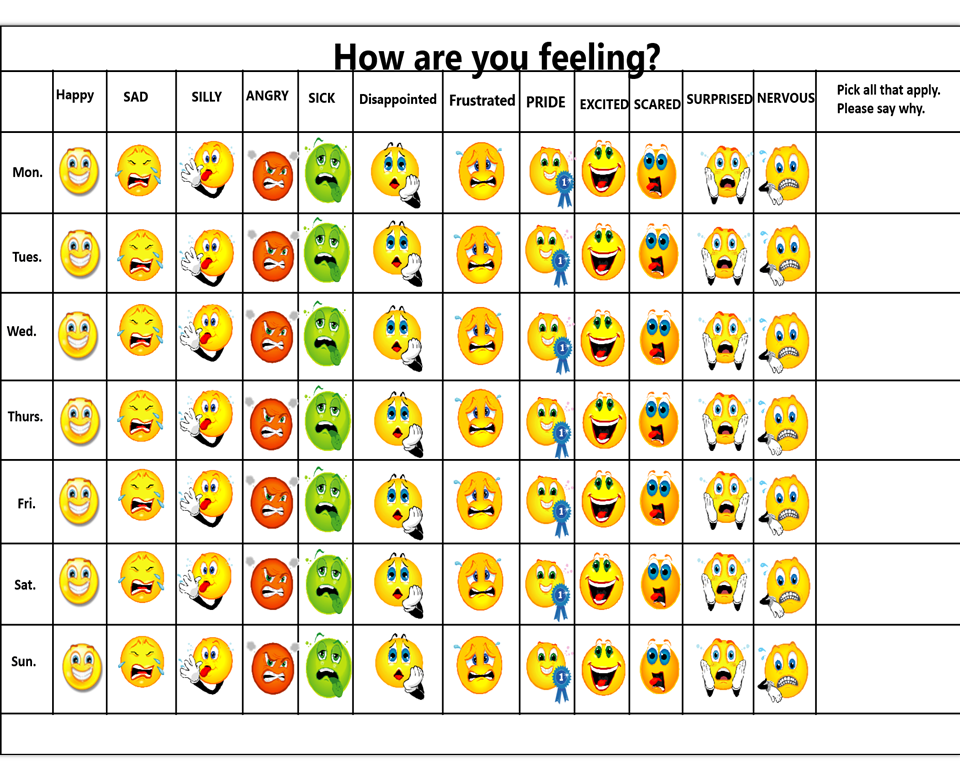
Track your emotions. Patterns tell a story.
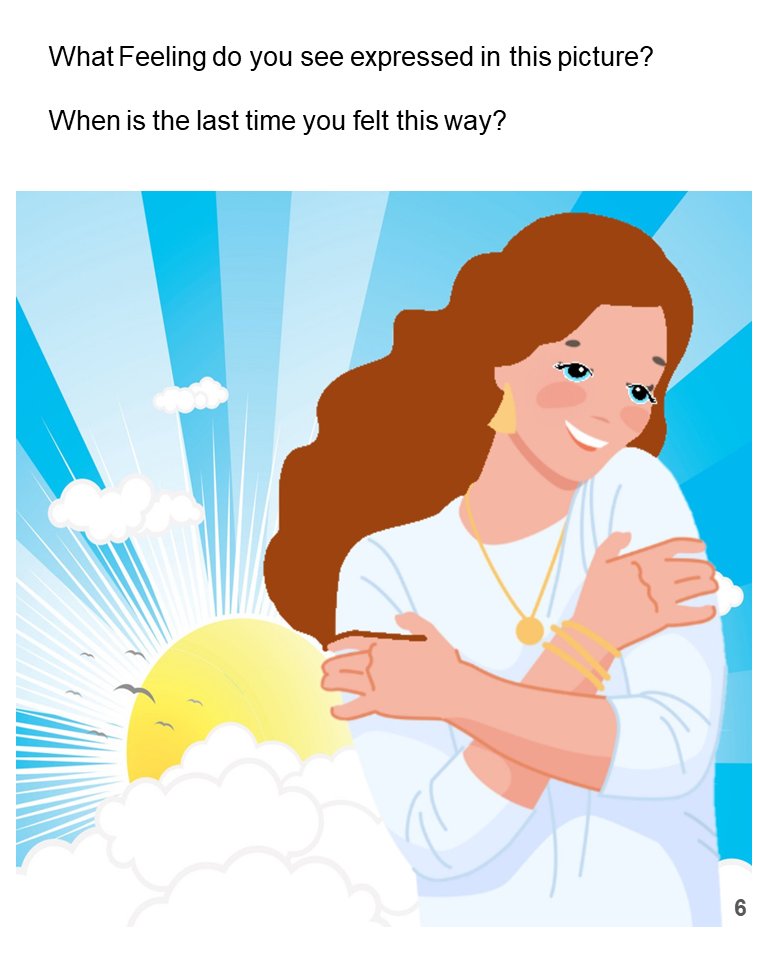
Trigger positive emotions
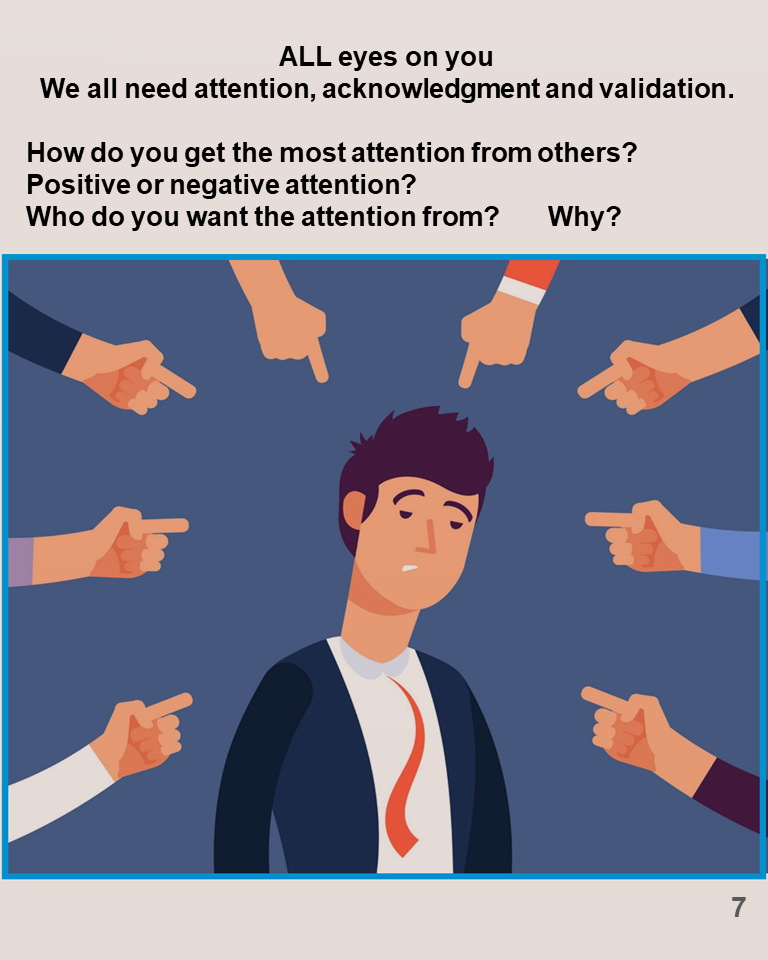
How do you show up in the world?
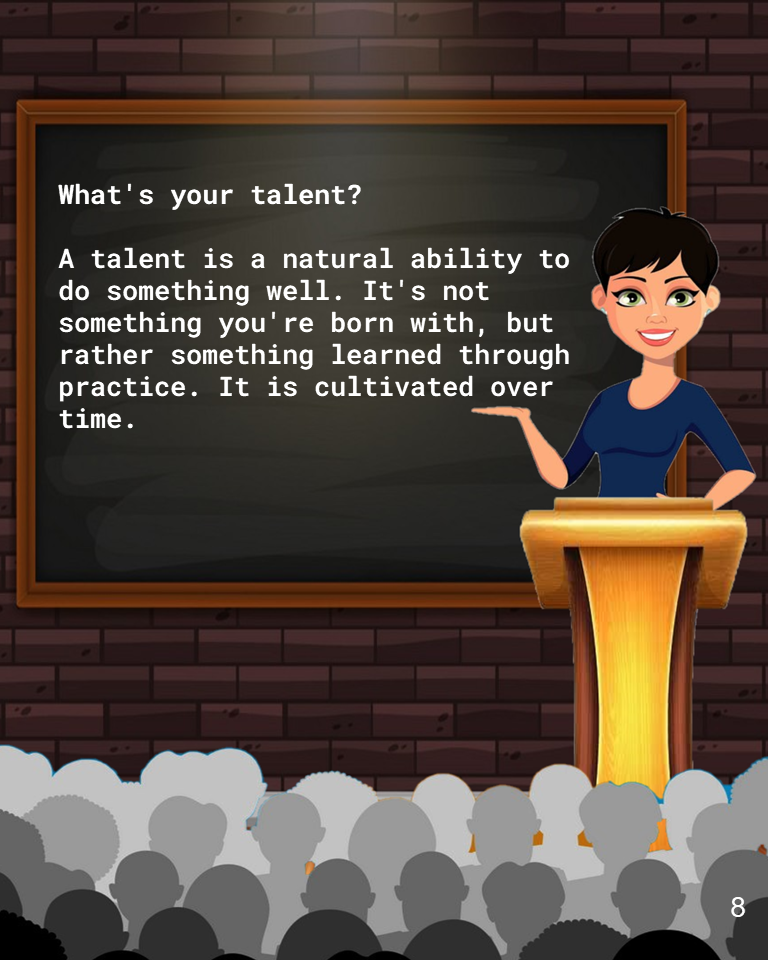
Toot your horn📢? Brag a bit.
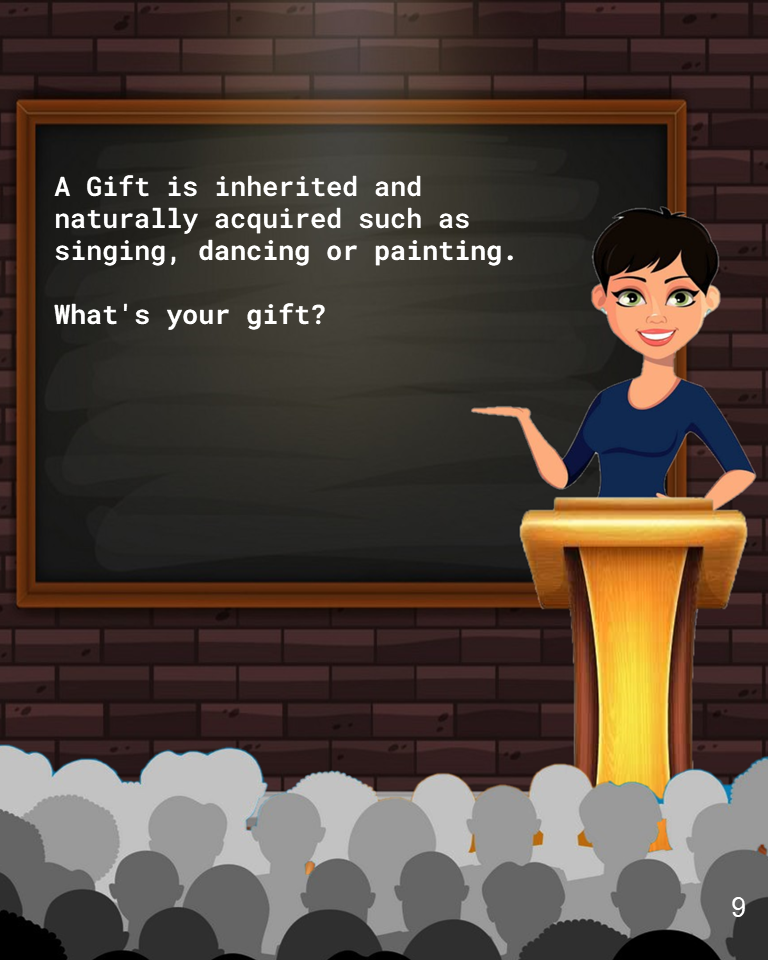
Effortlessly awesomeness
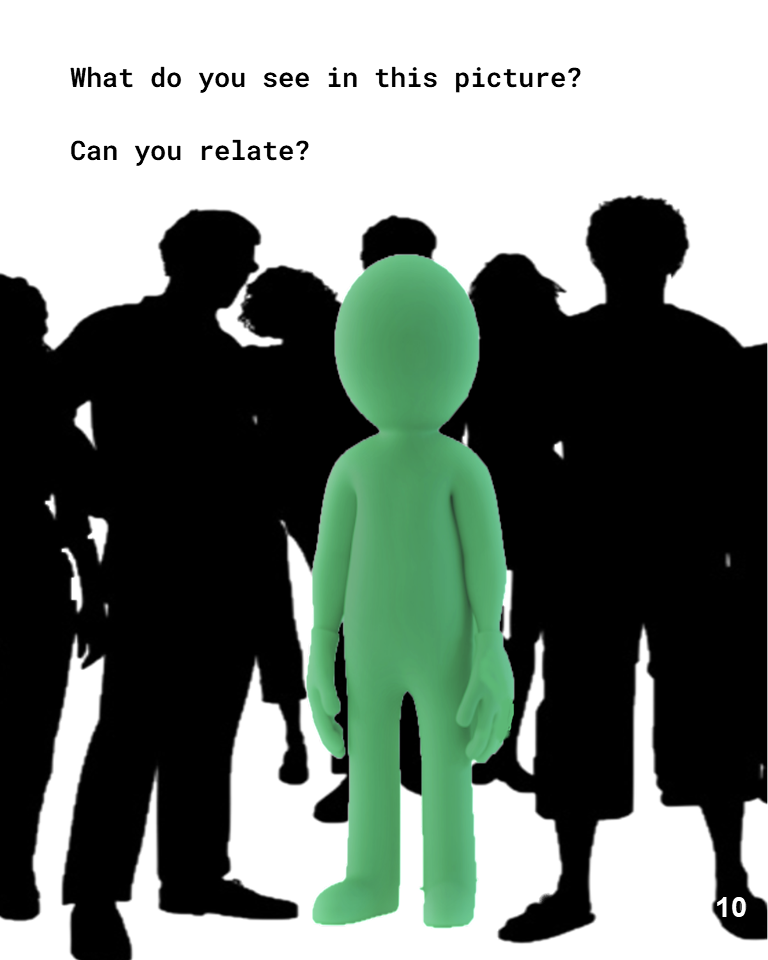
Hhmmm... let's talk about it.
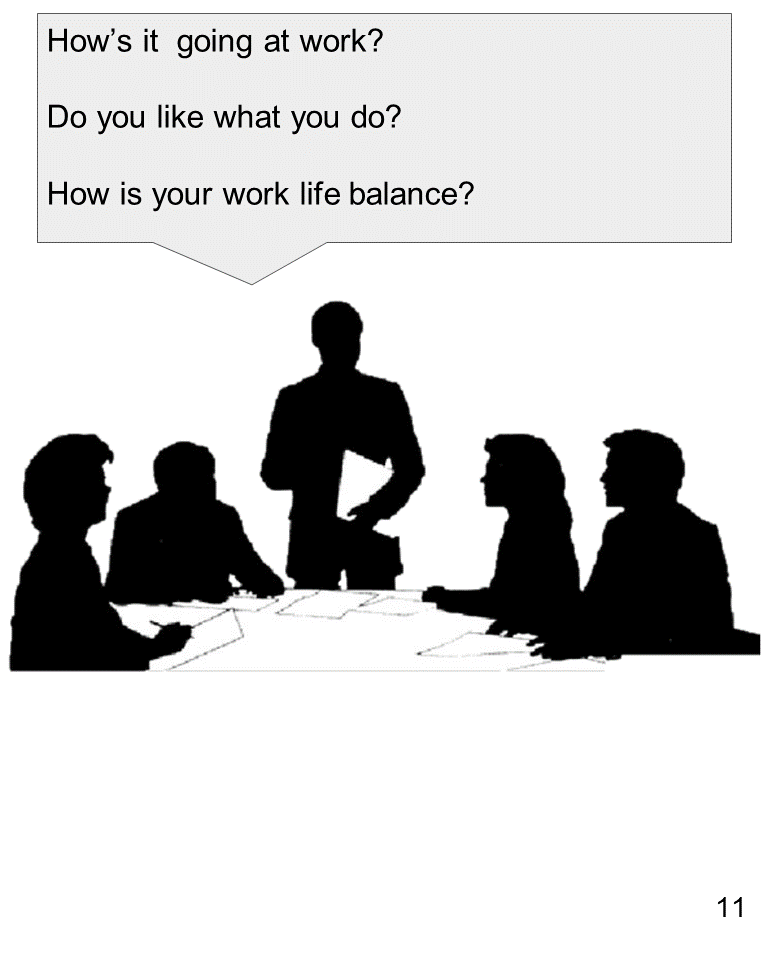
Many of us see co-worker more than loved ones.
“Meditation isn’t about stopping thoughts. It’s about not letting them control you.”
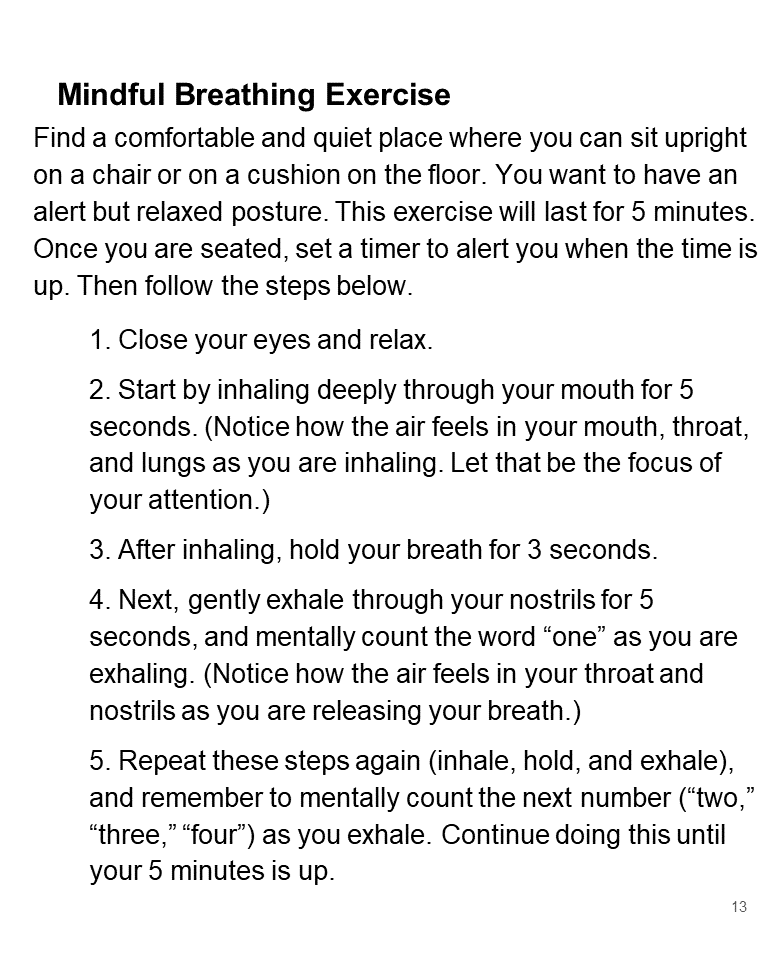
“Breathe in peace. Breathe out the noise.”
“Calm is a skill you must learn ”
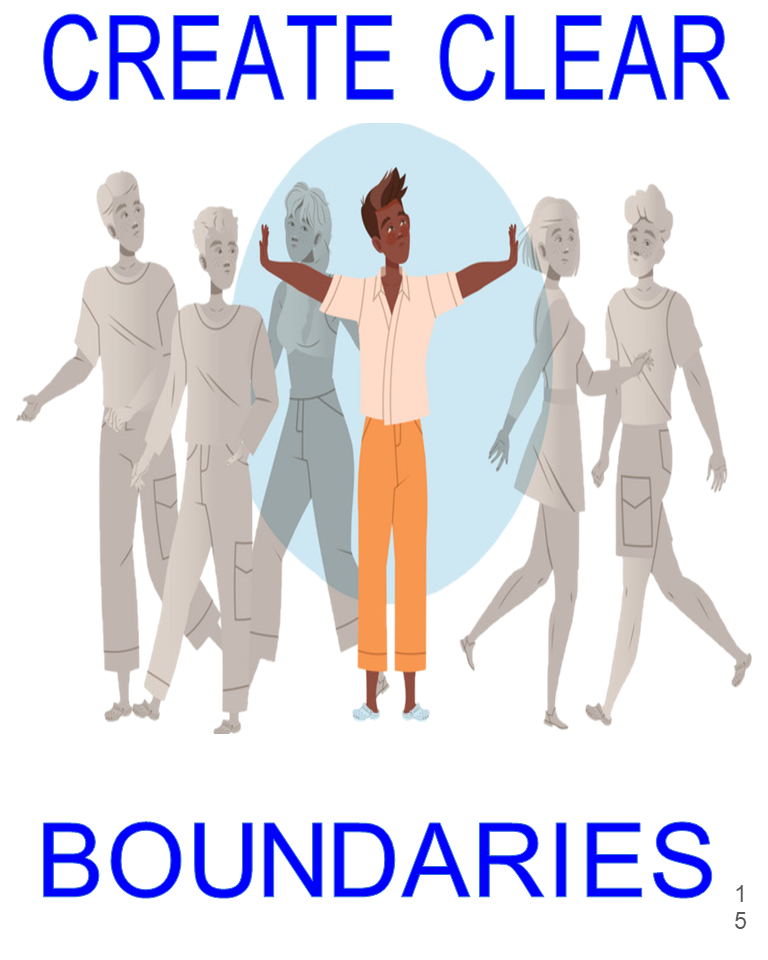
Boundaries prevent burnout, resentment, and emotional overload. They help you stay regulated instead of constantly drained.
Boundaries get a bad rap, but they’re actually one of the healthiest things you can bring into a relationship—romantic, family, friendships, or work.
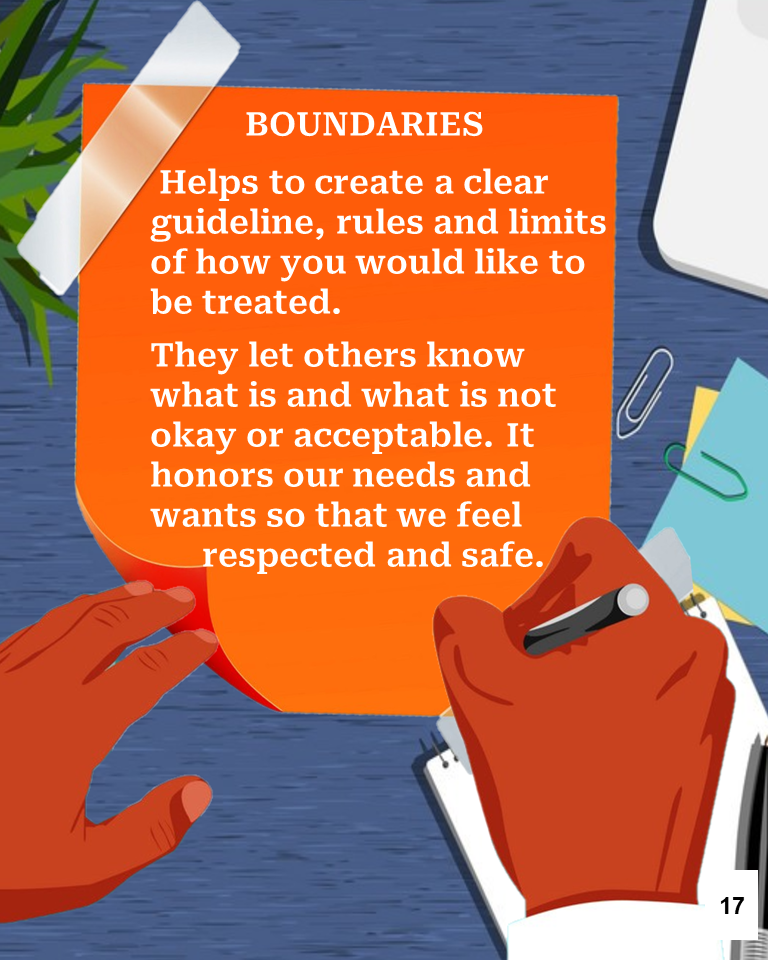
Clear boundaries teach others how to treat you. When you honor your limits, healthy people tend to honor them too.
What area(s) of your life would change for the better with boundaries? How?
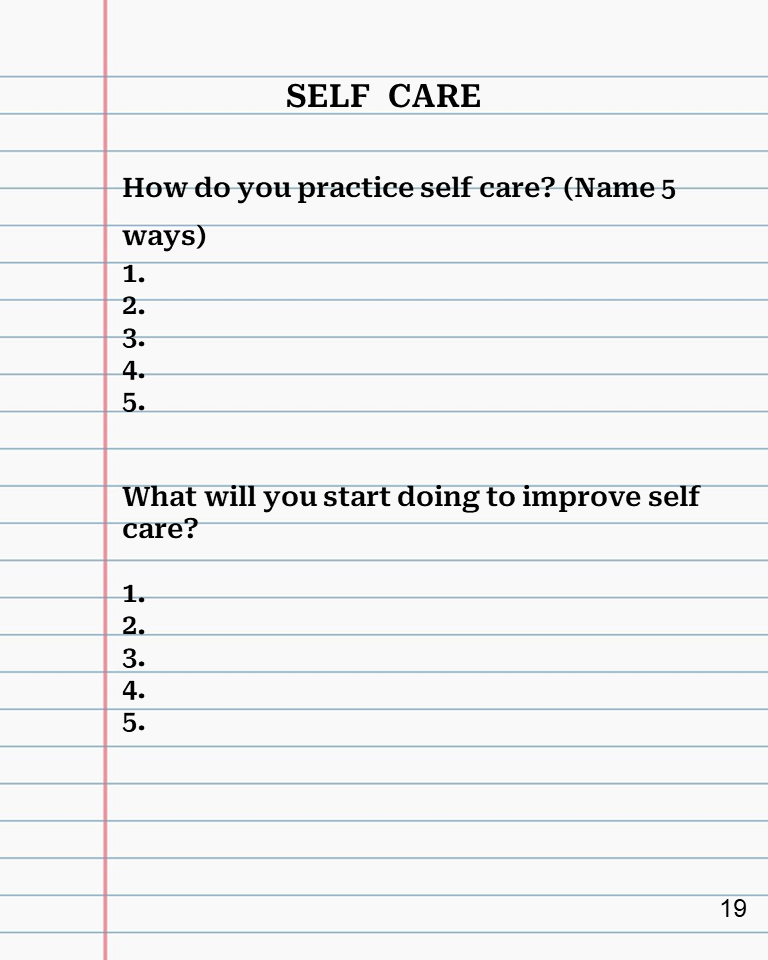
Self-care isn’t just candles, baths, or taking a day off. Those can be nice—but mental health self-care is about how you take care of your inner world.

Hold up- wait a minute. Think it through before you get in it.
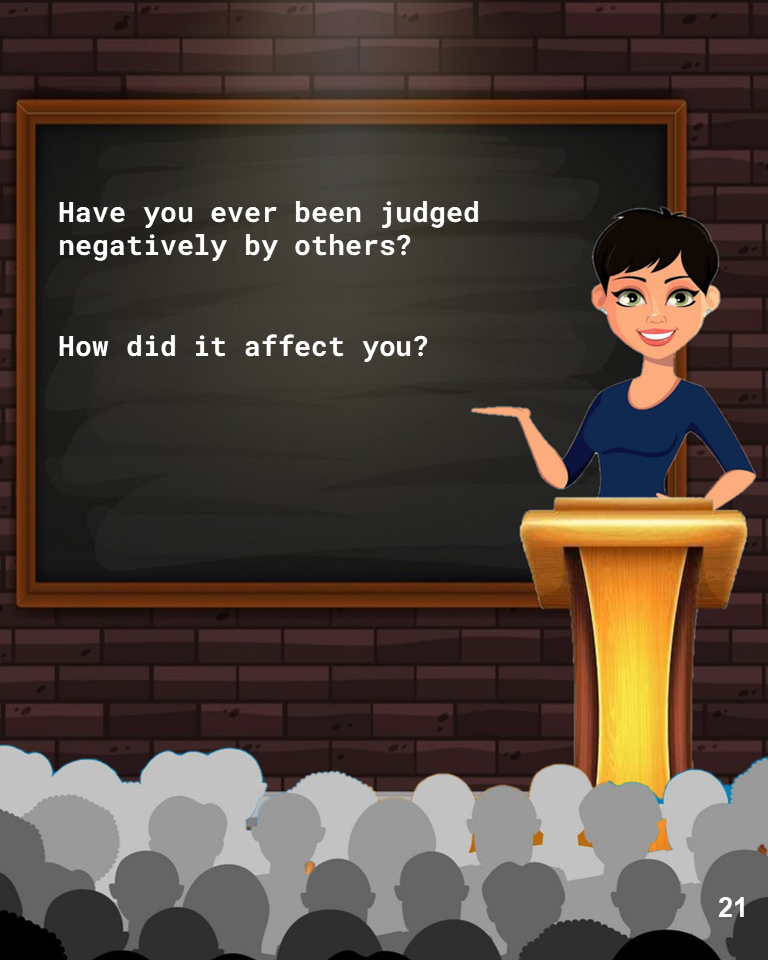
Fear of judgment is incredibly common—and it runs deeper than most people realize.
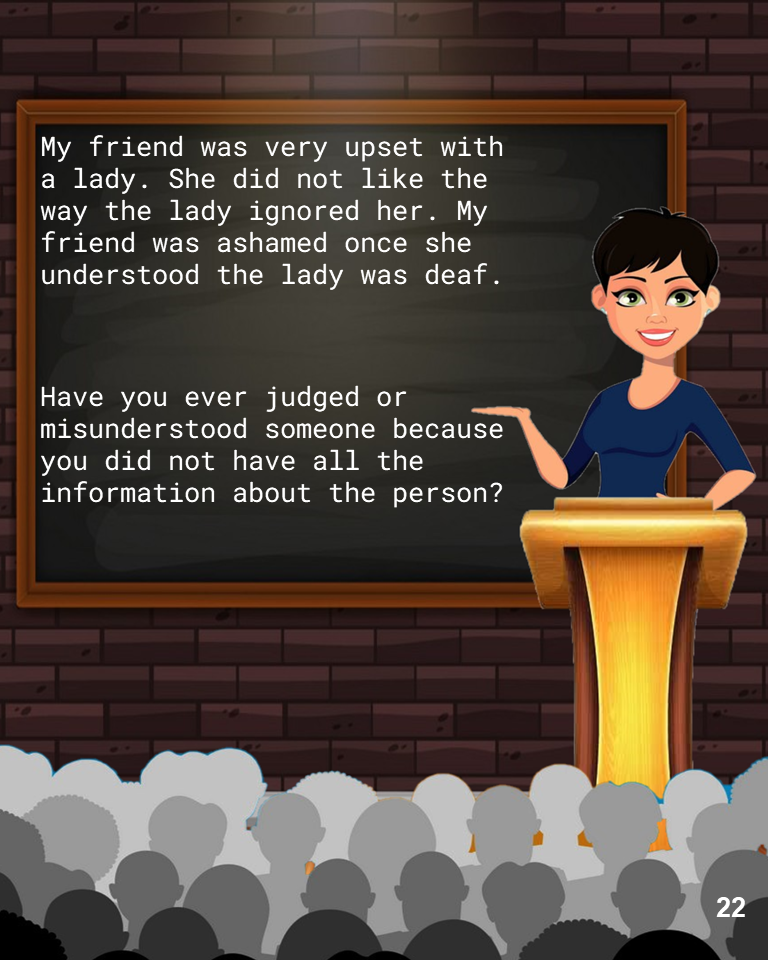
Judgment breeds defensiveness, resentment, and conflict—even when unspoken. Often, what we judge in others reflects what we haven’t healed or accepted in ourselves.
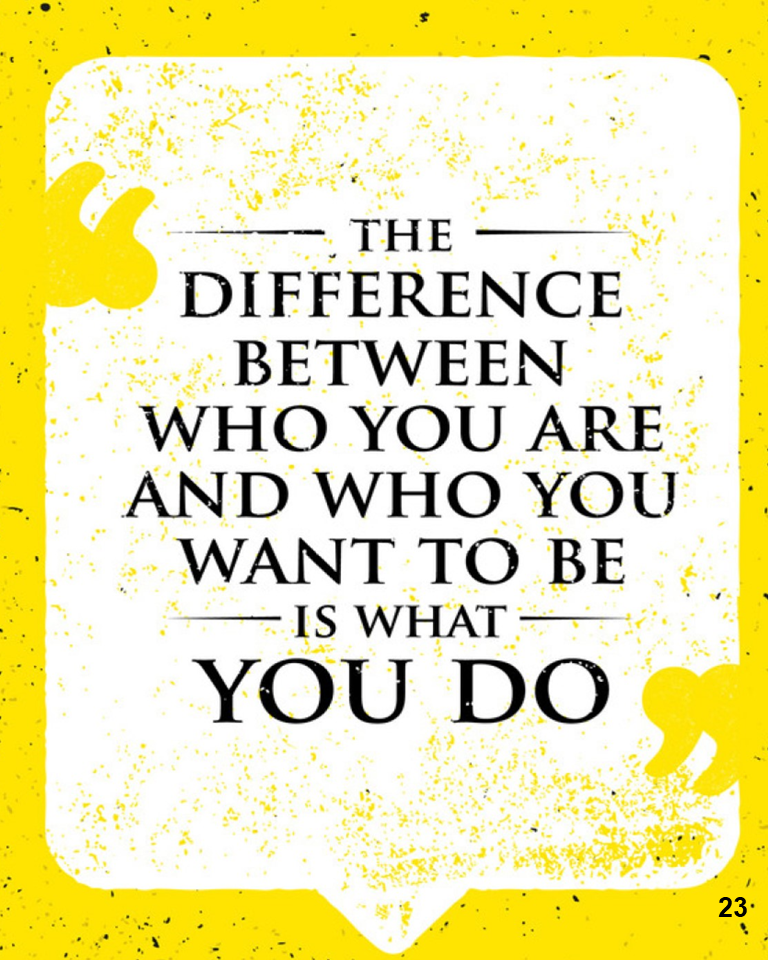
We often define ourselves by our intentions. However, the world—and your own results—only respond to what you actually execute.
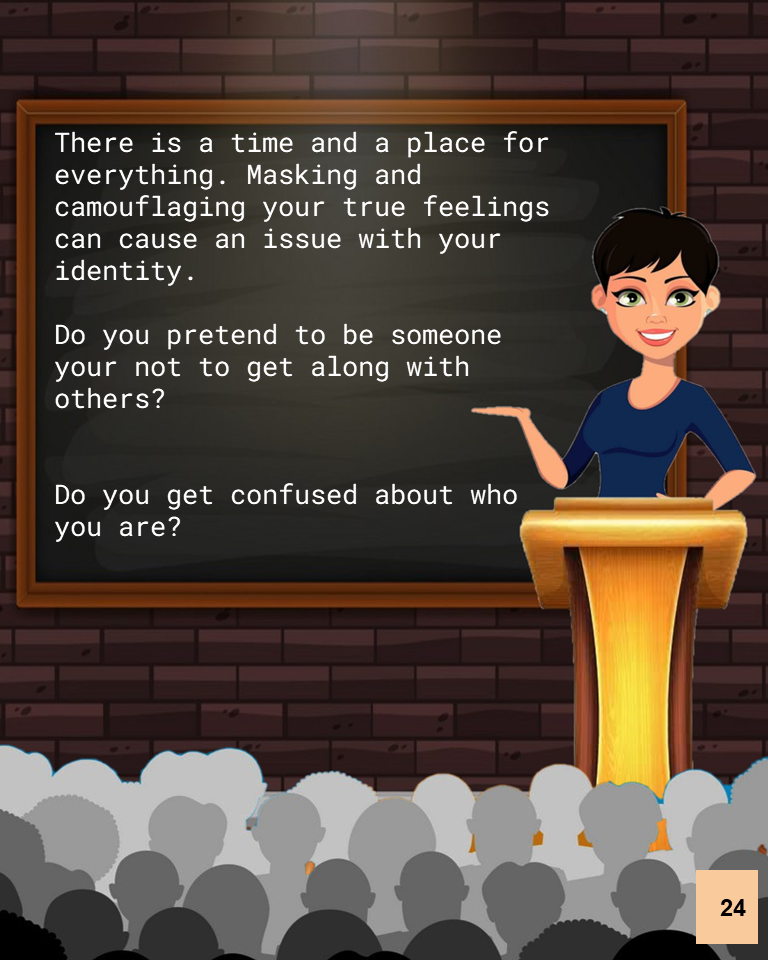
masking and camouflaging are described as tools used to get along with others, but they come with significant emotional and psychological risks. While these behaviors are often used as survival strategies.
Impact on Decision-Making: People often alter their career paths, choices, and life direction based on the expectations of family, friends, and peers.
Natural supports—unpaid relationships with family, friends, coworkers, and community members—are essential for fostering independence, social inclusion, and improved quality of life.
What beliefs do your values rely upon?
Greater Resilience & Growth: Self-trust allows for viewing mistakes as opportunities for growth rather than personal failures, enabling faster recovery from setbacks.
The four main communication styles are passive, aggressive, passive-aggressive, and assertive.
Knowing yourself means understanding your emotions, values, strengths, weaknesses, and motivations, which is an ongoing process of self-awareness.
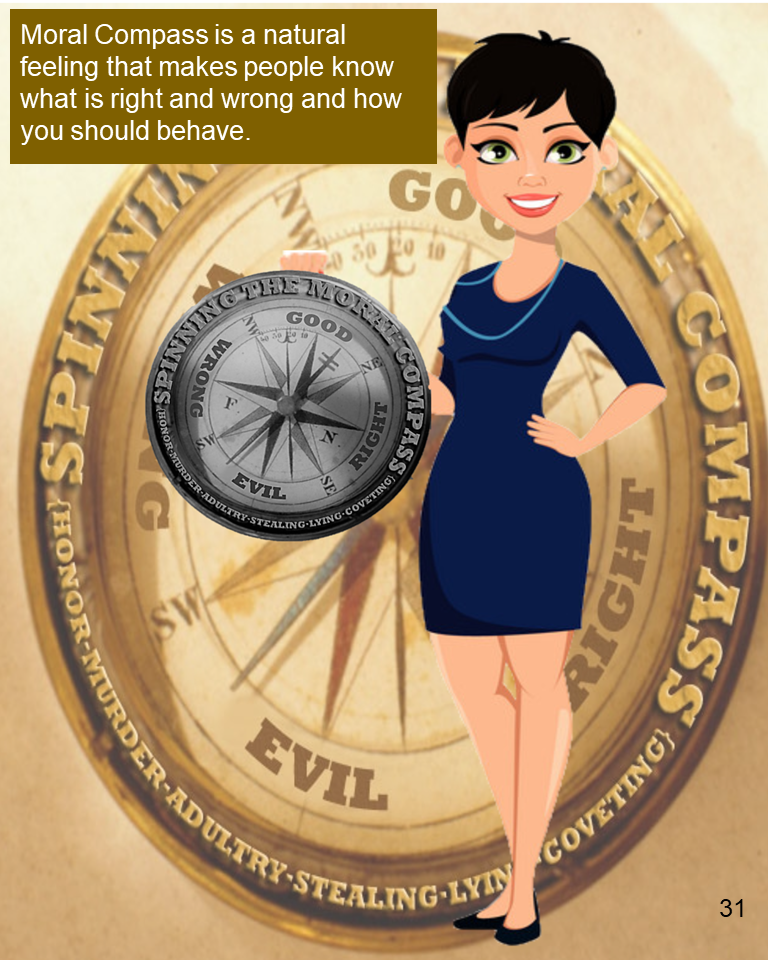
A moral compass is like an invisible guide that helps us decide what's right and wrong. It's what leads us to make good choices, even when no one is looking or there's no reward. Having a strong moral compass helps us grow into thoughtful, kind, and trustworthy individuals.
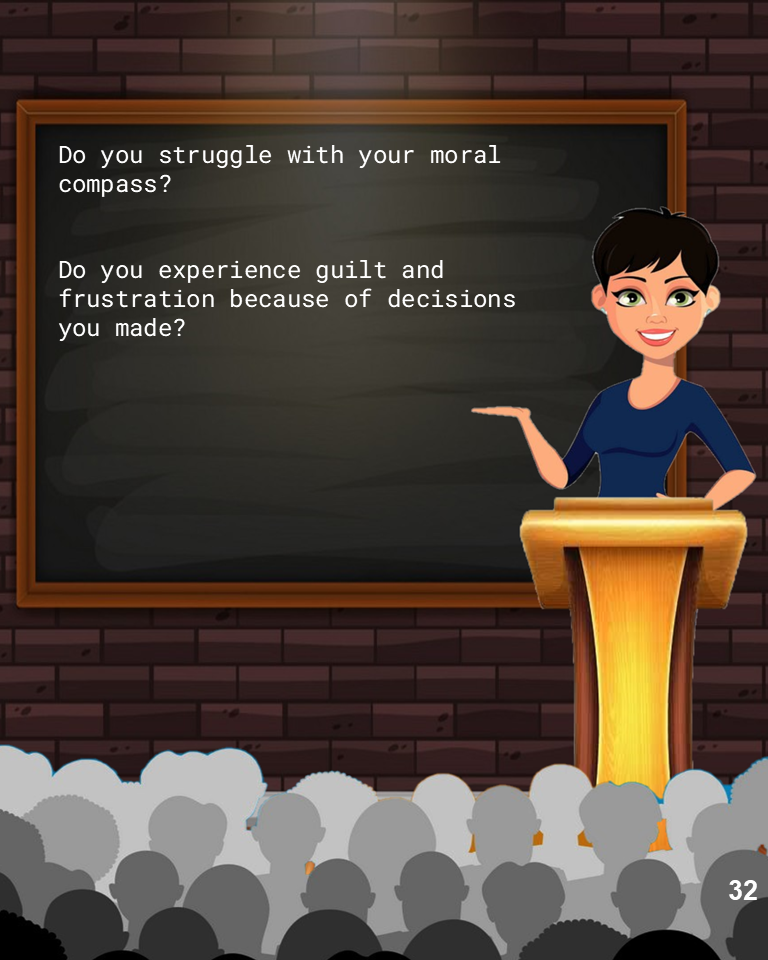
Moral emotions such as guilt, remorse and shame may arise when an individual perceives a discrepancy (cognitive dissonance) between their “own actual behavior (or unjustified lack of activity) and the wish to conform to his or her own desired self-image and values” (Breslavs, 2013,
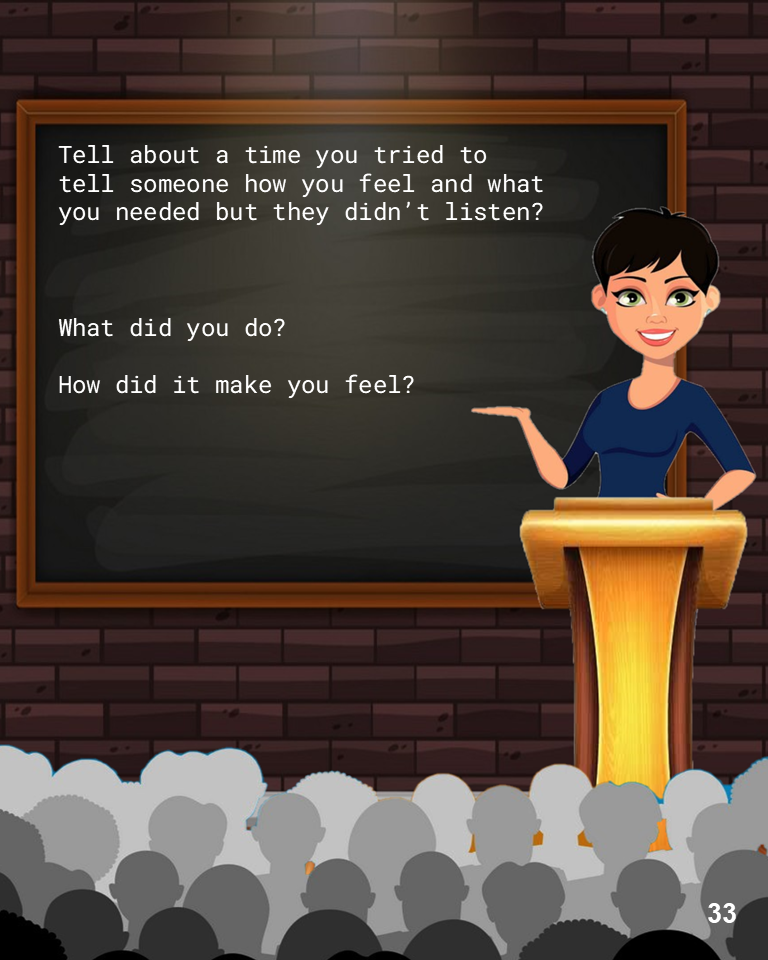
When others reject, judge, or ignore your feelings—is a profoundly painful experience that causes invisible, often traumatic, damage to self-worth.
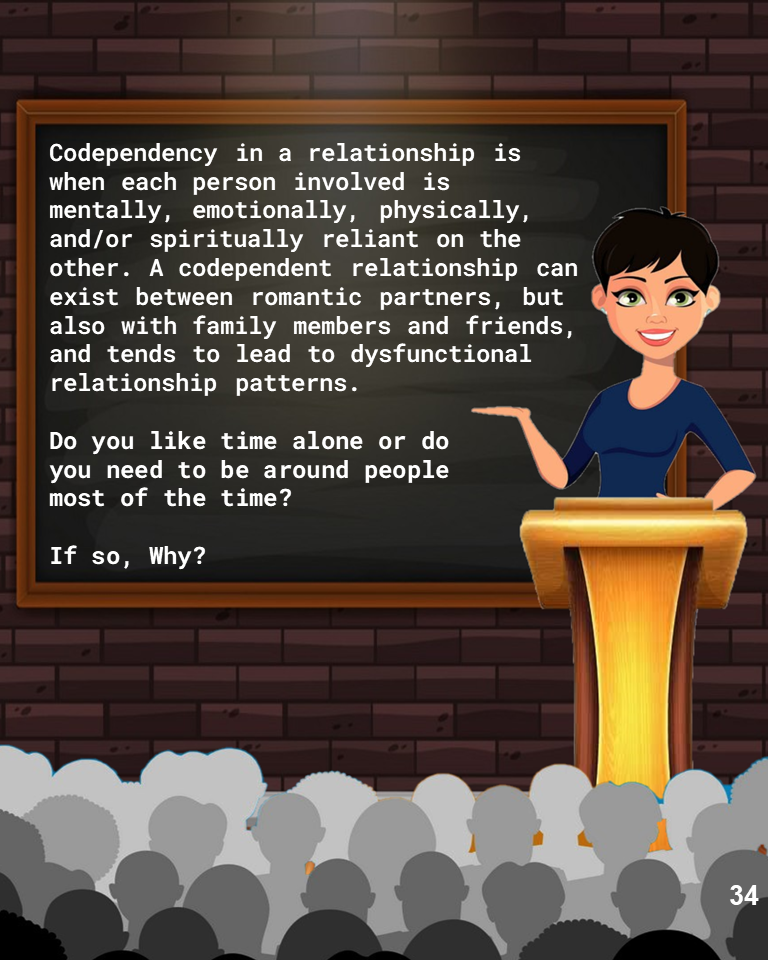
The codependent person often sacrifices their own needs, desires, and boundaries to meet the needs of the other person, even if it's detrimental to their own mental, emotional, or physical well-being.
Daily anger management requires consistent, proactive habits to build emotional regulation.
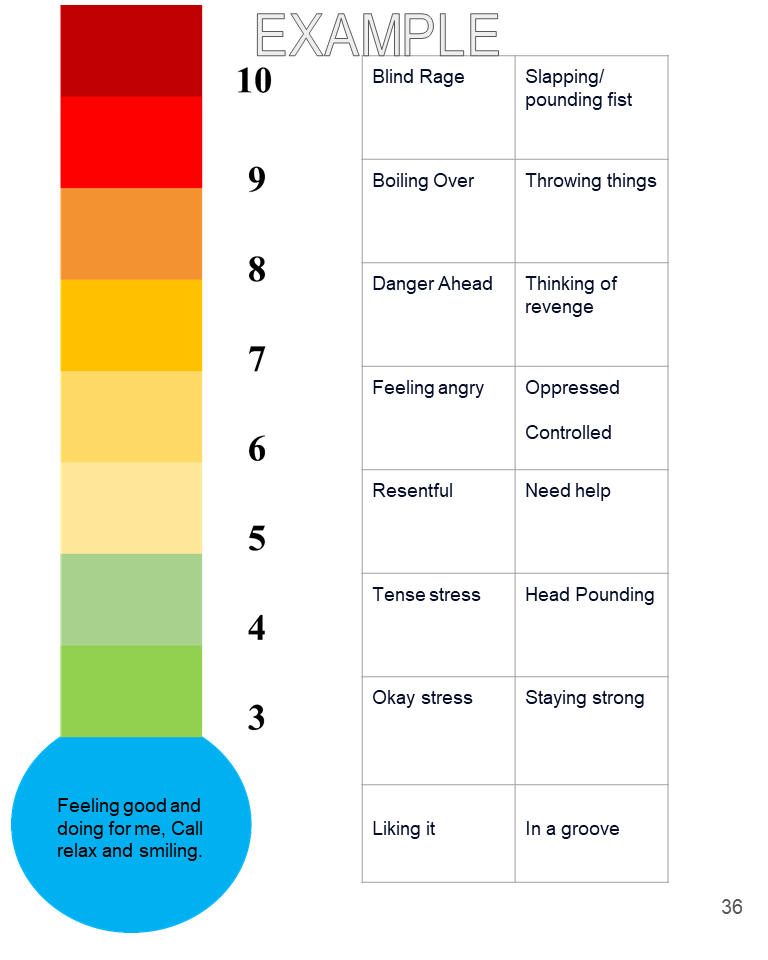
The anger thermometer is a visual, 0–10 scale tool used to help you identify, measure, and manage emotions by connecting physical sensations and thoughts to varying intensity levels. It aids in recognizing triggers, improving self-awareness, and developing coping skills to prevent outbursts.
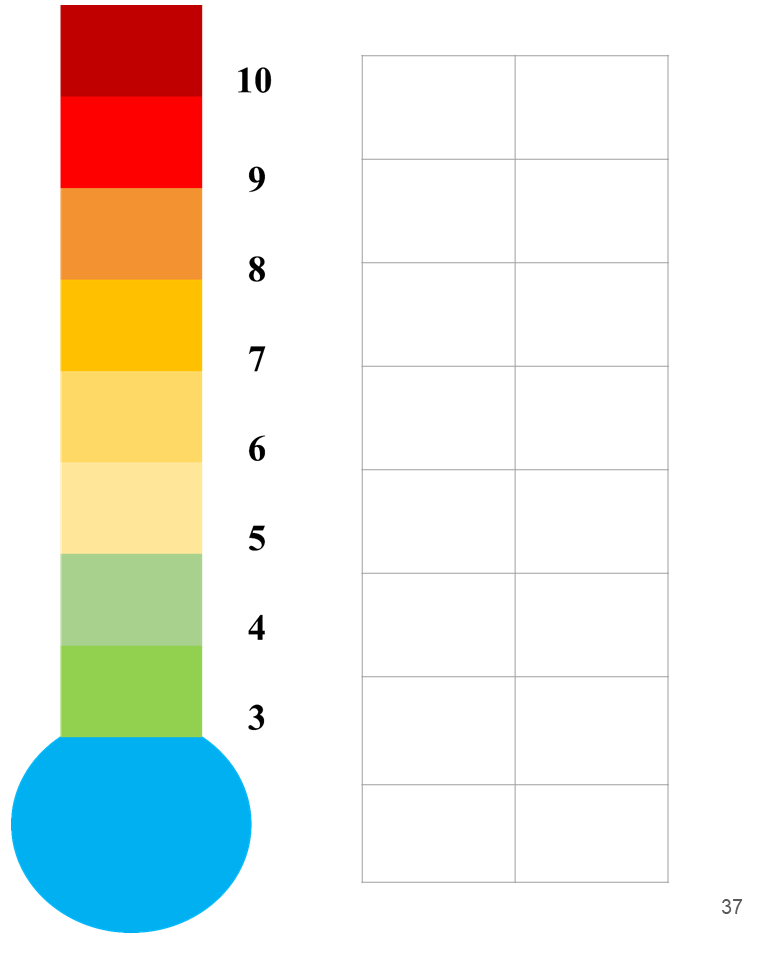
Now you try...
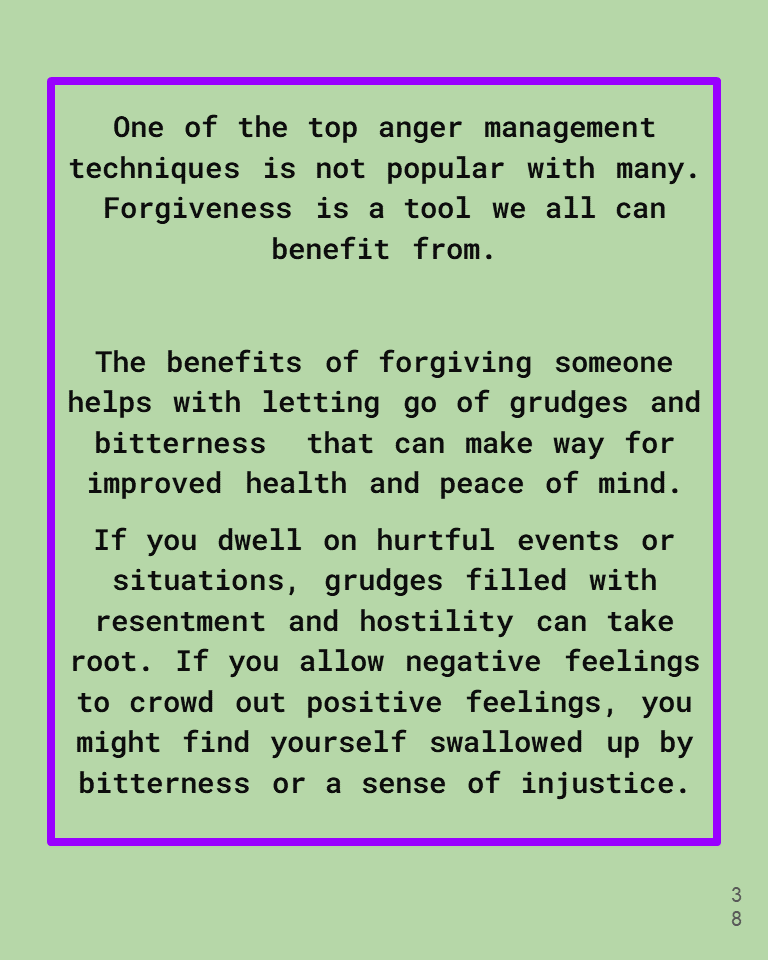
Forgiveness is the conscious, voluntary choice to let go of negative feelings like resentment, anger, and the desire for revenge after someone has wronged you.
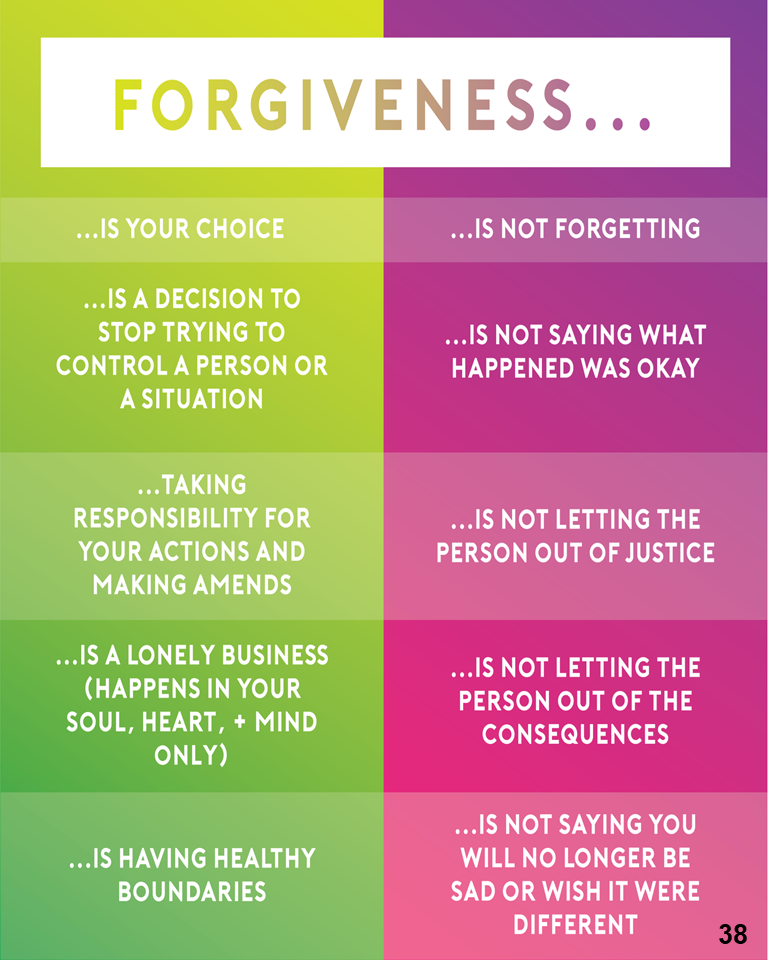
Take a closer look
Now that we learned at bit about healthy communication. Practice, practice practice...
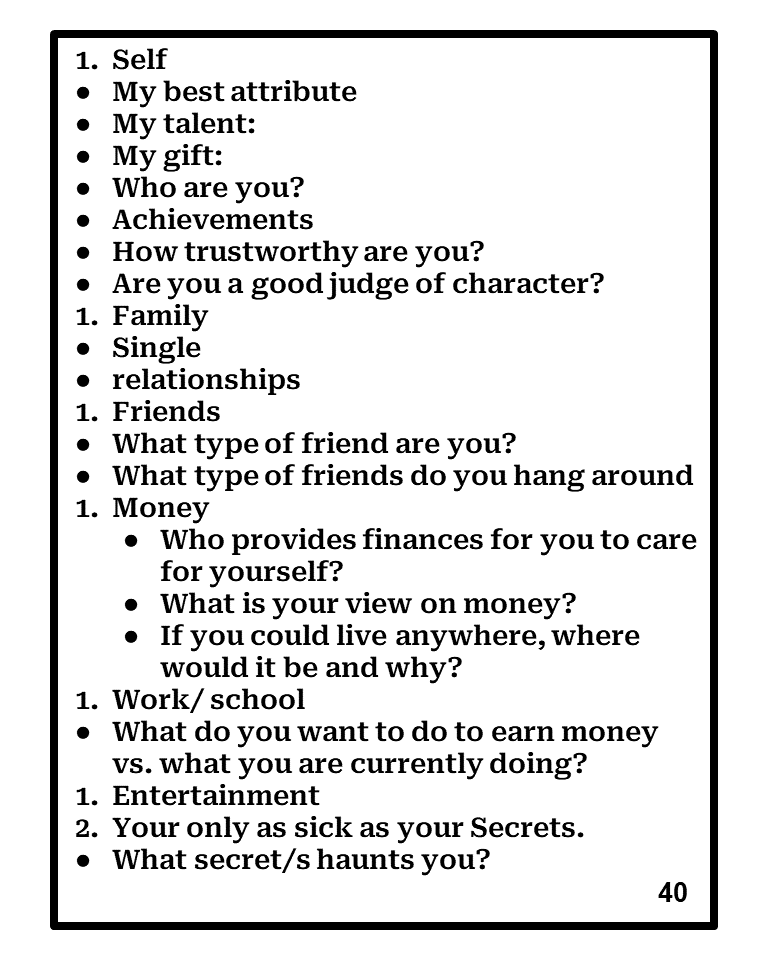
Communicate with intent
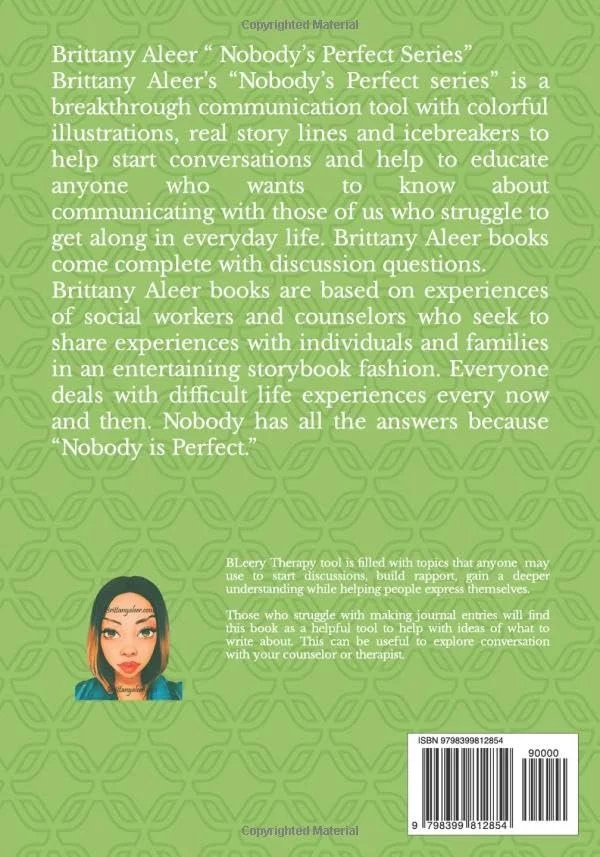
Back cover of a book titled "Nobody's Perfect Series" by Brittany Aleer, featuring a green background with a repeating geometric pattern, a cartoon portrait of a woman at the bottom left, and a barcode at the bottom right.